
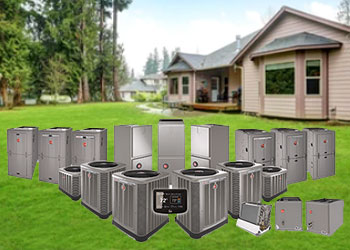
 Choosing the right HVAC (Heating, Ventilation, and Air Conditioning) system for your home is a significant decision that impacts your comfort, energy efficiency, and overall indoor air quality. Here’s a step-by-step guide to help you make an informed decision:
- Assess Your Needs:
-
- Determine the climate of your region: The heating and cooling needs vary based on your location’s climate.
- Consider the size of your home: The square footage of your home plays a crucial role in selecting the right-sized system.
- Research HVAC Types:
-
- Central HVAC Systems: These are common and consist of a central heating unit (furnace) and a central cooling unit (air conditioner) that distribute air through ducts.
- Ductless Mini-Split Systems: These are ideal for homes without ducts or for specific zones within the house.
- Heat Pumps: They provide both heating and cooling by transferring heat between the indoors and outdoors.
- Energy Efficiency:
-
- Look for systems with high SEER (Seasonal Energy Efficiency Ratio) and HSPF (Heating Seasonal Performance Factor) ratings for cooling and heating, respectively.
- Energy Star certified systems are more efficient and can save you money on energy bills.
- Consider Zoning:
-
- Zoned systems allow you to control the temperature of different areas independently, optimizing comfort and energy usage.
- Check for Rebates and Incentives:
-
- Many governments and utility companies offer rebates and incentives for installing energy-efficient HVAC systems.
- Calculate Load and Sizing:
-
- It’s crucial to properly size your HVAC system. An oversized system will cycle on and off frequently, leading to inefficiencies and discomfort.
- A professional HVAC contractor can perform a load calculation to determine the right size for your home.
- Choose a Reputable Contractor:
-
- Research and choose a licensed and experienced HVAC contractor who can properly assess your needs, offer recommendations, and install the system correctly.
- Consider Indoor Air Quality (IAQ):
-
- Some HVAC systems offer features like air purification, humidity control, and ventilation that contribute to better indoor air quality.
- Long-Term Costs:
-
- While initial costs are important, consider the long-term operational and maintenance costs of the system.
- Warranty and Maintenance:
-
- Check the manufacturer’s warranty and inquire about maintenance requirements. Regular maintenance is essential for keeping your system efficient and extending its lifespan.
- Ask for Recommendations:
-
- Seek recommendations from friends, family, or online reviews to gather insights on different HVAC brands and models.
- Future Expansion:
-
- If you plan to expand your home, consider a system that can accommodate potential additions.
- Compare Quotes From Reputable Companies:
-
- Get multiple quotes from different contractors to ensure you’re getting a fair price and a system that meets your needs.
- Review Contracts Thoroughly:
-
- Before finalizing, review the contract carefully to understand the installation process, warranties, costs, and any other details.
- Environmental Impact:
-
- If sustainability is important to you, consider systems that use eco-friendly refrigerants and have minimal environmental impact.
Remember that HVAC systems are a long-term investment, so take the time to make an informed decision that aligns with your comfort preferences, budget, and energy efficiency goals. It’s recommended to work closely with a qualified HVAC professional throughout the process.
 MB HAYNES CORPORATION makes delighting customers our top priority. Headquartered in beautiful Asheville, NC, MB HAYNES leads the way in providing skilled expertise to industrial, institutional, commercial and residential customers.